
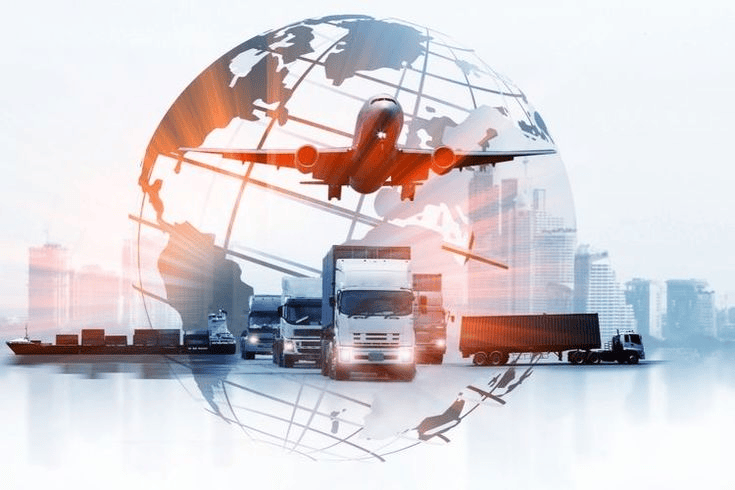
When it comes to shipping goods between Nigeria and the United Kingdom, choosing the right method can make a big difference in cost, speed, and convenience. The two most common options are air freight and sea freight. Both have their advantages, and understanding them will help you make the best choice for your shipment.
Understanding Air Freight
Air freight is the fastest way to move cargo internationally. It is ideal for urgent shipments, high-value goods, and items that need to reach the UK quickly. Businesses often use air freight for perishable products, electronics, or documents that cannot afford delays.
The main advantages of air freight include:
- Quick delivery times, usually a few days
- Higher security for valuable or fragile goods
- Reliable scheduling with frequent flights
The main consideration is cost. Air freight is more expensive than sea freight, especially for larger shipments. It is best suited for smaller, time-sensitive packages or when speed is more important than price.
Understanding Sea Freight
Sea freight is the most common method for shipping large or heavy cargo. It is much more cost-effective than air freight for bulk shipments and is ideal for businesses that ship products regularly or in high volumes.
The advantages of sea freight include:
- Lower shipping costs for large or heavy cargo
- Ability to transport bulky goods that may not fit on planes
- Flexible container options, such as full container load (FCL) or less than container load (LCL)
The main consideration is time. Sea freight can take several weeks to reach the UK from Nigeria, depending on the shipping line, port schedules, and customs processing. It’s best for shipments where cost savings outweigh the need for speed.
Factors to Consider When Choosing
When deciding between air and sea freight, consider the following:
- Urgency: If you need your shipment quickly, air freight is the best option.
- Cost: For larger or heavier cargo, sea freight is usually more economical.
- Cargo Type: Fragile, high-value, or perishable items often do better by air. Bulk goods like furniture, machinery, or large shipments are ideal for sea freight.
- Flexibility: Sea freight can handle larger shipments in a single container, while air freight may have size and weight limitations.
Which One Should You Choose?
Ultimately, the choice between air and sea freight depends on your priorities. If speed and reliability are crucial, air freight is the way to go. If cost efficiency and capacity are more important, sea freight is the better option. Many businesses use a combination of both, depending on the nature of each shipment.
Making Shipping Easier
Shipping between Nigeria and the UK doesn’t have to be complicated. Working with an experienced freight forwarding company can help you choose the right method, handle documentation, and manage customs clearance. A professional partner ensures your cargo is shipped safely, efficiently, and delivered on time.
Final Thoughts
Choosing between air and sea freight is a balance of speed, cost, and cargo requirements. By understanding the advantages of each, planning ahead, and working with a reliable logistics provider, you can ensure your shipments arrive safely and on schedule, without unnecessary stress or surprises.